All Categories
Featured
Why Indexed Universal Life Works for Investors
Essential Life Insurance Planning for Security
Affordable Life Insurance Plans for Veteran Families

Navigating 2026 Medicare Enrollment Options for Seniors
Table of Contents
Like all health strategies, getting in-network care is best to keep your out-of-pocket costs low. Nevertheless, unlike HMO plans that won't cover any part of your costs if you seek out-of-network care (other than in a covered emergency), you can get out-of-network care when traveling out of your regular strategy network area with a PPO policy.
Cost-conscious individuals need to think about a few drawbacks to PPO plans that might make getting care more pricey. While they're flexible and practical, PPO strategies have greater premiums. According to KFF, PPO plans had the greatest yearly premiums compared to HMOs and point-of-service plans (POS) in 2023. You'll likewise have to pay more costly medical expenses if you receive care from an out-of-network service provider.
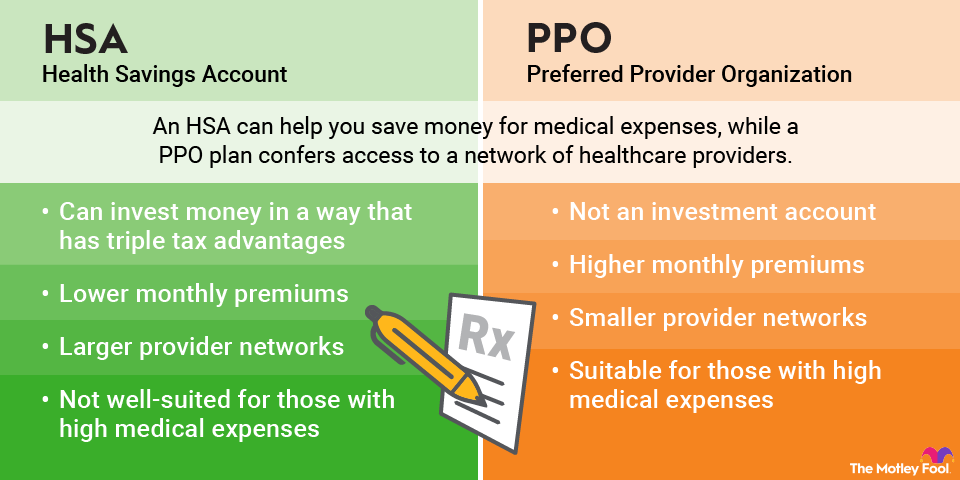
If you do have a deductible, it's likely to be more costly than other plan types. While your insurance company will share the expense with you, you'll likely pay a higher coinsurance percentage for out-of-network service providers. When you visit an in-network supplier, they'll submit your claim to your health insurance coverage business on your behalf.
PPO policyholders might discover the claim filing process made complex if they're not used to it or lengthy if they often require out-of-network care from an expert. In 2023, the typical annual premium for a group PPO strategy was $8,906 for self-only coverage and $25,228 for household coverage2. Companies contributed $7,399 towards a self-only strategy, and workers contributed $1,507.
Navigating 2026 Medicare Enrollment Rules for Seniors
The typical deductible for PPO strategies was $1,281. As discussed above, PPO plans purchased on the ACA markets also have a maximum out-of-pocket limitation of $9,450 for self-only coverage and $18,900 for family strategies.
Yes No Yes No Some strategies do. The majority of plans do. Whether you have an HMO or PPO plan, you can leverage a health reimbursement plan (HRA) to lower out-of-pocket medical costs.
Only companies can introduce and contribute toward an HRA. Employers utilize an HRA to offer their workers a regular monthly allowance to pay for medical costs. When an employee purchases a qualified product or service, they send documents revealing proof of purchase, and their company compensates them as much as their allowance amount.
Evaluating PPO and HMO Medical Plans
(MEC). (ICHRA): An ICHRA is likewise a stand-alone HRA, but it's available to employers of all sizes and has no contribution limitations.

However, they should have a certifying type of individual health coverage to get involved. Companies can set various allowances based on worker classes for included modification. Group coverage HRA (GCHRA): Likewise called an incorporated HRA, a GCHRA is for employers of any size who use a group health strategy. Only staff members registered in their company's group plan can take part.
While they have no maximum contribution limits, the IRS does not allow compensations for month-to-month premiums. No matter whether it's used in coordination with an HMO or PPO strategy, there's an HRA that can help employees spend for their out-of-pocket medical costs and, in some cases, their medical insurance premiums. An HRA is a popular alternative choice over standard health advantages due to the fact that they're budget-friendly for companies and versatile enough for each worker.
Why Term Insurance Protects Future Security
An HMO may be your finest bet if you're searching for a plan with a low premium. However, a PPO strategy provides extra versatility if you require more control over your healthcare. That's why researching these plans thoroughly, including their pros, cons, and average costs, is the very best primary step you can take before deciding.
(MEC). (ICHRA): An ICHRA is also a stand-alone HRA, however it's available to companies of all sizes and has no contribution limits.
But, they must have a certifying kind of individual health protection to take part. Employers can set different allowances based on worker classes for added personalization. Group protection HRA (GCHRA): Likewise understood as an integrated HRA, a GCHRA is for employers of any size who offer a group health strategy. Only workers enrolled in their employer's group strategy can get involved.
Reviewing 2026 Medicare Supplement Policies
While they have no maximum contribution limits, the IRS doesn't enable reimbursements for regular monthly premiums. No matter whether it's utilized in coordination with an HMO or PPO plan, there's an HRA that can assist staff members spend for their out-of-pocket medical costs and, often, their health insurance premiums. An HRA is a popular alternative option over traditional health advantages due to the fact that they're economical for employers and versatile enough for every employee.
An HMO may be your best bet if you're trying to find a plan with a low premium. A PPO plan supplies extra flexibility if you need more control over your health care. That's why investigating these strategies thoroughly, including their pros, cons, and typical costs, is the very best initial step you can take previously making a choice.

Latest Posts
Why Indexed Universal Life Works for Investors
Essential Strategies for Reviewing Life Insurance Quotes

Essential Life Insurance Planning for Security